

Odd News
Life · Published November 11, 2026
Why Japanese people rarely say 'sayonara' when saying goodbye
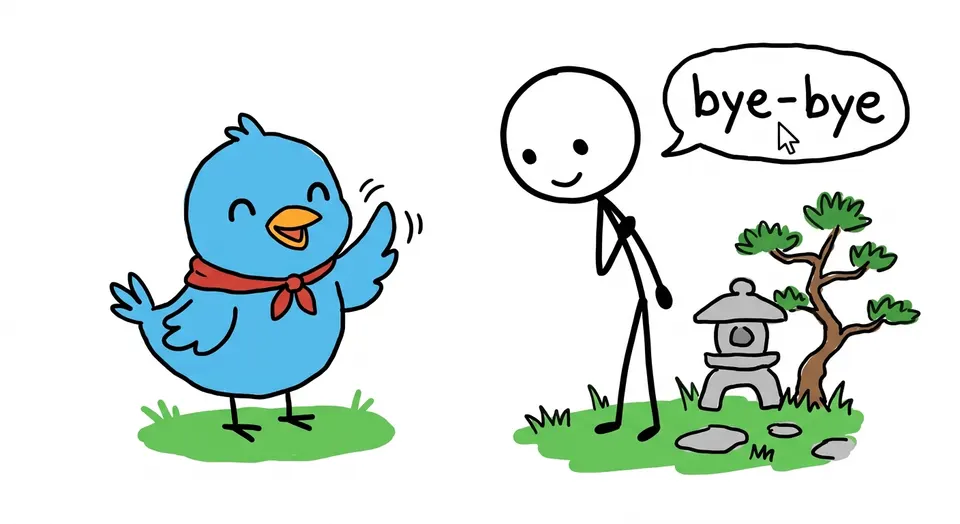 AI doodle
'Sayonara' is widely known outside Japan as the go-to Japanese goodbye. But Japanese people rarely use it in everyday life. Friends usually say 'ja,' which is a shortened form of 'sore ja' (それじゃ), meaning 'well then' or 'so.' They often soften it by adding 'ne' or 'na,' or add 'mata' (また), meaning 'again,' to lightly hint at seeing each other next time.
At work, 'otsukaresama desu' (お疲れ様です) is common. Literally it means something like 'you must be tired,' but it's really a way for coworkers to acknowledge each other's effort at the end of the day. When leaving before others, people often say 'osaki ni shitsurei shimasu' (お先に失礼します), roughly 'excuse me for leaving first.'
Sayonara is rare because it carries the sense of 'we may not see each other again,' not 'see you later.' So it's used in moments like graduations, overseas transfers, or resignations, where the parting is certain or close to permanent. One report describes how, when an ice cream shop in Kamakura was closing its last location in eastern Japan, the staff said sayonara to customers.
The higher the number, the more useless the story
Uselessly fun?
Key facts
- In Japan, people almost never use 'sayonara' in everyday conversation.
- 'Sayonara' is a weighty word mostly used when people may be parting for good or not meeting again for a long time.
- In daily life, people say goodbye with short phrases like 'ja' and 'mata'.
Q. Korean has a polite 'annyeonghi gaseyo' and a casual 'jal ga' for different situations. Are there other goodbyes in your language that carry different weight depending on the moment?
Read the originalSoraNews24 ↗AI read the SoraNews24 article and rewrote it in its own words (in Korean, then machine-translated). It is not a translation of the original. It passes our review rules before going up, but please check the original for exact details and photos. Correction or removal requests from rights holders are handled within 24 hours.