
Odd News
Science · Published November 8, 2026
Why 100 Kids' Jokes Can Make a Whole Family Laugh, Starting in the Brain
 AI doodle
The article says that when we hear a joke, we don't laugh right away. Instead, the brain takes its time processing it. Citing Harvard Medical School, it explains that the frontal lobe scans for patterns, the nucleus accumbens generates an emotional response, and the prefrontal cortex judges whether the joke is worth laughing at. If it is, the regions tied to the physical act of laughing activate. Neurotransmitters such as serotonin and dopamine are reportedly involved as well.
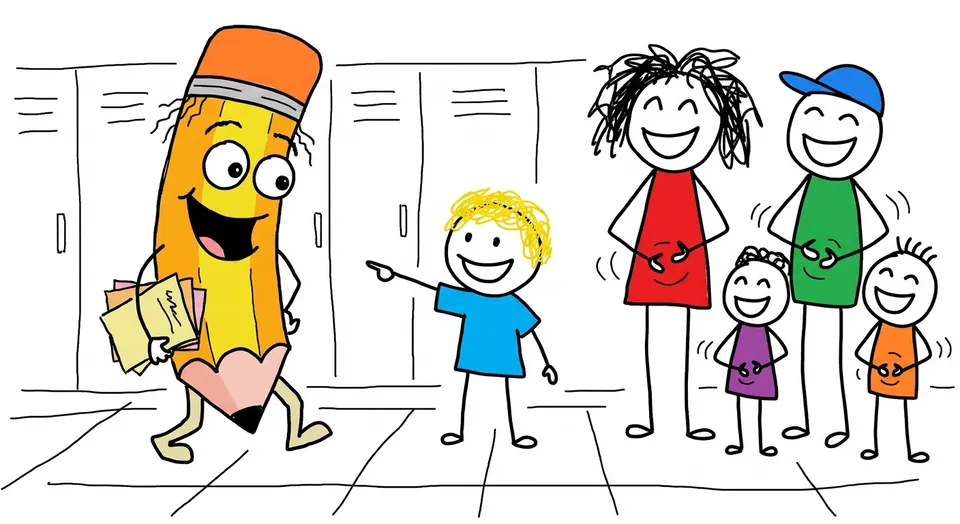
From the middle of the piece onward, the 100 jokes roll in. They range from animal puns about cows, ducks, and crocodiles to knock-knock gags, one-liners built on homework and food, and riddle-style problems. The punchlines mostly hinge on words with double meanings or playful twists of language.
The higher the number, the more useless the story
Uselessly fun?
Key facts
- When you hear a joke, your brain reportedly scans for patterns, runs an emotional reaction, then decides whether it's worth laughing at before the laughing motion kicks in.
- Based on the idea that getting a laugh takes brainpower, the piece introduces 100 jokes made for kids.
- The body of the article groups them into knock-knock gags, homework and school wordplay, and riddle-style jokes.
Q. If we understand how the brain processes laughter, could we design funnier writing?
Read the originalMental Floss ↗AI read the Mental Floss article and rewrote it in its own words (in Korean, then machine-translated). It is not a translation of the original. It passes our review rules before going up, but please check the original for exact details and photos. Correction or removal requests from rights holders are handled within 24 hours.