
Odd News
People & culture · Published November 20, 2026
The Monsters in Lord of the Rings Come From Old Folklore After All
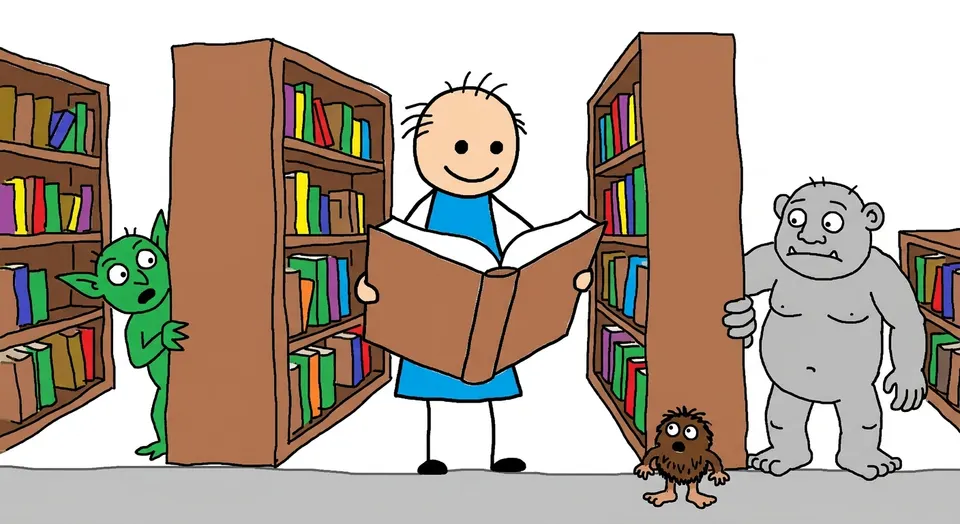 AI doodle
Most of the creatures in Lord of the Rings look like pure products of Tolkien's imagination, but many of them actually come from old folklore and myth.
Elves have roots in Germanic mythology. The elves of Norse folklore were generally quiet beings who kept to themselves and avoided humans. Elves in other regions, on the other hand, could either help people or harm them, depending on their mood.
Goblins are more interesting. The idea that the word comes from the kobold, a spirit blamed for ruining mines, is widely repeated. But it actually seems to be a Western word that entered through Middle French. There is a true story behind the mining connection, though: miners got sick from toxic arsenic in the ore, and the metal they got from that ore became known as cobalt.
Orc is easy to assume Tolkien made up from scratch. But Old English already had a word for a monster. Tolkien revived that old word and reshaped it into an entirely new creature.
The higher the number, the more useless the story
Uselessly fun?
Key facts
- Tolkien borrowed elves, trolls, dwarves and more from Norse and Germanic folklore
- Goblin has nothing to do with the Germanic mine spirit kobold, and actually came into English through French
- Orc was already in Old English before Tolkien, and he revived the word to create a new monster
Q. If you brought a creature from old folklore back into a modern story, what would it look like?
Read the originalMental Floss ↗AI read the Mental Floss article and rewrote it in its own words (in Korean, then machine-translated). It is not a translation of the original. It passes our review rules before going up, but please check the original for exact details and photos. Correction or removal requests from rights holders are handled within 24 hours.