
Odd News
History · On Wikipedia 2005
The Victory Monument That Was Held at Yasukuni Shrine for Nearly a Century
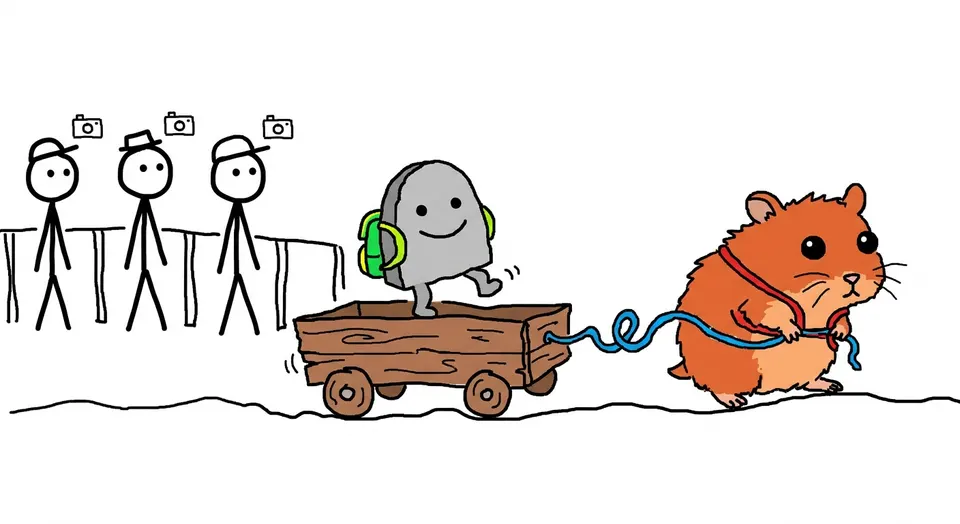 AI doodle
The Bukgwan Victory Monument was raised to honor the achievements of the righteous army led by General Jeong Mun-bu, which defeated Japanese troops in Hamgyong Province during the Imjin War. The inscription on the stone records the army's activities in more than 1,500 characters. When the Joseon court sent Prince Imhae to raise troops, local residents were so angered by his arrogance that they captured the prince and handed him over to the Japanese army. The righteous army rose up amid that chaos.
The monument was discovered by a Japanese army officer during the Russo-Japanese War in 1905 and carried off to Japan. Treating it as a trophy of war, Japan sent it to Yasukuni Shrine. Jo So-ang, a Korean student studying in Japan, recognized it and voiced his outrage in writing, but under the circumstances at the time, no one was able to get it back.
It took a long time for the monument to return. In 1978, Choi Seo-myeon, a Korean-Japanese scholar, located it in the backyard of Yasukuni Shrine, and several rounds of negotiations over its return followed. It finally came back to Korea in October 2005 and was sent on to North Korea the following year. It is now designated a national treasure of North Korea.
The higher the number, the more useless the story
Uselessly fun?
Key facts
- The Bukgwan Victory Monument, which honors a righteous army's win in Hamgyong Province, was taken by Japanese forces during the Russo-Japanese War and kept at Yasukuni Shrine.
- A Korean-Japanese scholar tracked it down in 1978, and it returned to Korea in October 2005.
- In March 2006 it was sent on to North Korea and set back up in its original spot.
Q. What do you think is the biggest obstacle to getting back cultural heritage that has been moved abroad?
Read the originalKorean Wikipedia ↗This story was rewritten from a Korean Wikipedia article, so it's used under CC BY-SA 4.0 (attribution, share alike).
AI read the Korean Wikipedia article and rewrote it in its own words (in Korean, then machine-translated). It is not a translation of the original. It passes our review rules before going up, but please check the original for exact details and photos. Correction or removal requests from rights holders are handled within 24 hours.