

Odd News
History · On Wikipedia 2012
Ulsan, Now a Metropolitan City: The Long Story Behind Its Name
 AI doodle
The name Ulsan is thought to originate from Usisan-guk, a small state from the Samhan period. In idu notation, the character '尸 (si)' was used to write the sound 'ㄹ,' so U + l + san became Ulsan.
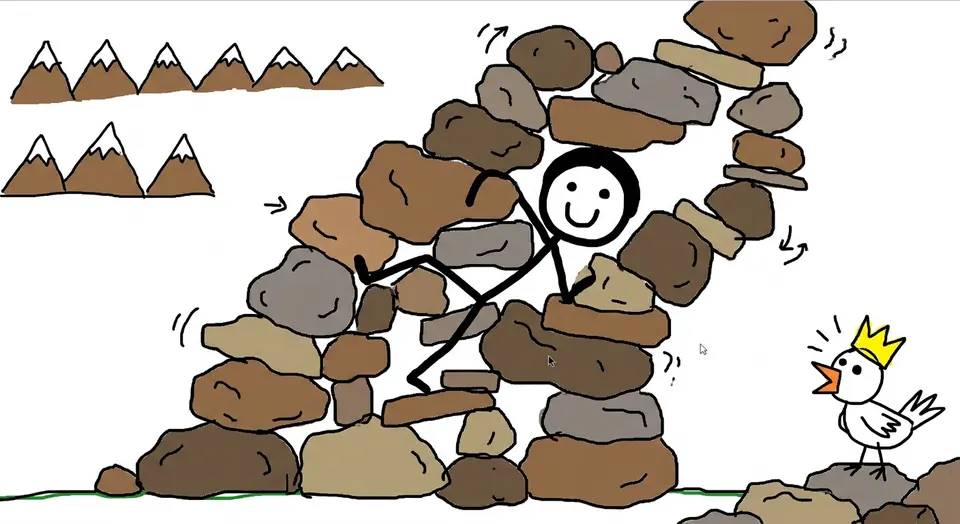
It may have been called something like 'Ulmoe-nara' or 'Ulsan-guk.' In old Korean, '울' meant a fence or fortress, so Ulmoe-nara is interpreted as a country enclosed by mountains like a wall. That name eventually settled into the Ulsan we know today. The Bangudae Petroglyphs from prehistoric times, which include whale-hunting carvings, are evidence that people have lived in this area for a very long time.
The name changed several times. During the Goryeo period it was downgraded to Gonghwa-hyeon, and in 1413, during the reign of King Taejong of Joseon, Ulju was renamed Ulsan-gun, bringing it close to the name used today.
The higher the number, the more useless the story
Uselessly fun?
Key facts
- The name Ulsan is believed to have come from 'Ulmoe-nara,' meaning 'Ul-mountain country.'
- In old Korean, '울' meant a fence or fortress, referring to terrain surrounded by mountains.
- In 1413, Ulju was renamed Ulsan-gun, and the name first appears in the historical record in this form.
Q. If place names can come from the shape of a mountain, might there be traces of that in the name of your own neighborhood?
Read the originalKorean Wikipedia ↗This story was rewritten from a Korean Wikipedia article, so it's used under CC BY-SA 4.0 (attribution, share alike).
AI read the Korean Wikipedia article and rewrote it in its own words (in Korean, then machine-translated). It is not a translation of the original. It passes our review rules before going up, but please check the original for exact details and photos. Correction or removal requests from rights holders are handled within 24 hours.